Budget-Friendly Deck Builder Services: Premium Solutions for Any Budget
Cost-effective deck builder services deliver practical solutions for property owners wanting to elevate their outdoor spaces without breaking the bank. These professionals focus on efficiency and quality, utilizing budget-friendly materials to create durable structures. That said, recognizing the complexities of deck building and the variables impacting pricing is important. As property owners evaluate their possibilities, they could realize that the proper selections can result in both aesthetics and practicality in their exterior spaces. What steps should they take next?
Why Budget-Friendly Deck Builders Are the Key to Overcoming High Costs
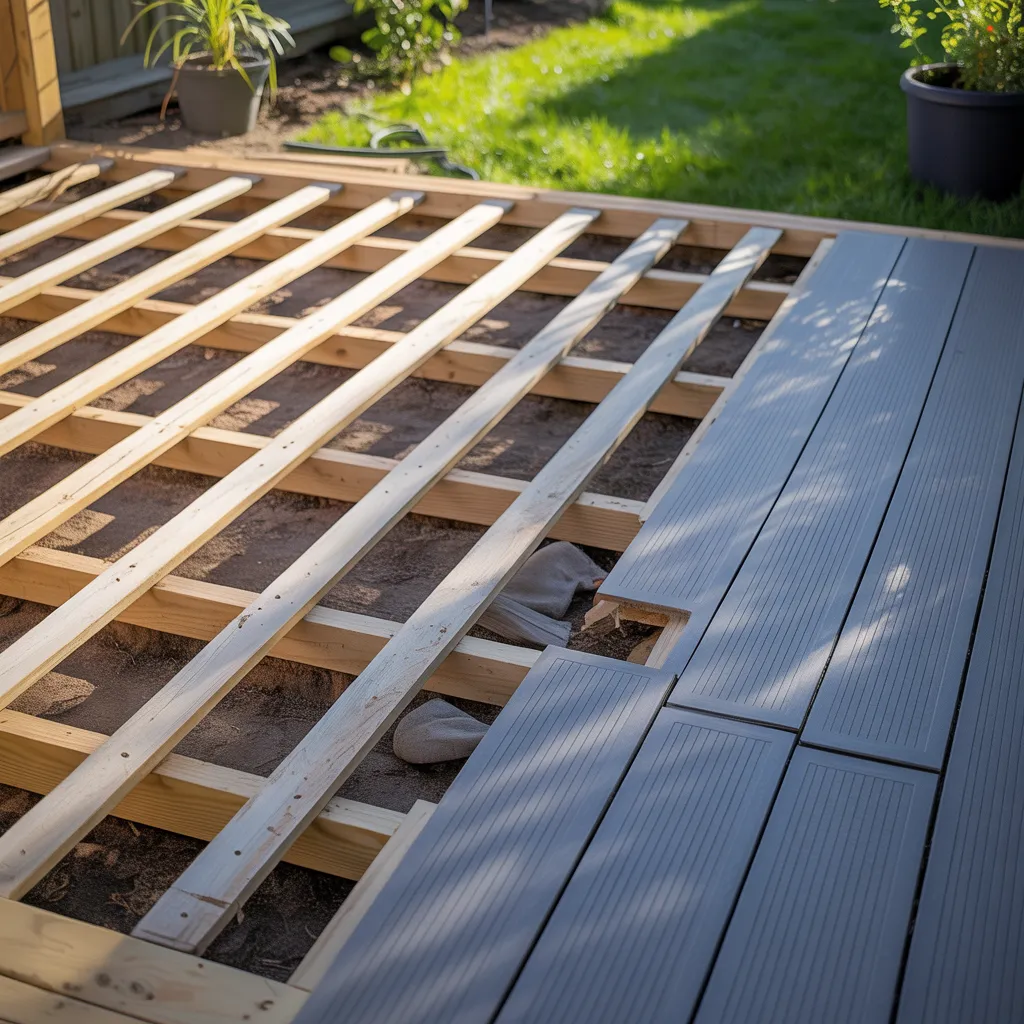
For many homeowners who dream of a gorgeous outdoor deck, the steep prices linked to standard construction practices can often stand in the way. Cost-effective deck builders provide a workable resolution to this problem, providing excellent craftsmanship without the burdensome expense. These professionals utilize cost-effective materials and streamlined building techniques, enabling them to deliver impressive results within budget constraints.
Breaking Down the Cost Factors in Deck Building
When building a deck, the choice of materials plays a major role in determining overall costs. Various options, from cost-effective composite options to top-quality hardwoods, can determine the project's financial scope. Additionally, knowing the labor expenses involved is essential, as they differ based on the intricacy of the design and the skill level required.
Impact of Material Selection
Choosing the right materials is essential in determining the complete price of deck construction. Various materials offer different price points and longevity, impacting both initial investment and long-term maintenance. As an example, pressure-treated wood is often more affordable upfront but may require regular upkeep, while composite options, although costlier upfront, typically endure longer with reduced maintenance requirements. Furthermore, selecting the right railing, deck thickness, and surface finishes can significantly impact expenses. Premium hardwood materials offer visual elegance but carry elevated price points. At the end of the day, recognizing the interplay between quality, durability, and financial constraints helps homeowners make educated decisions, ensuring that their deck meets both functional and financial requirements. The right material choices are fundamental to building an economical yet resilient outdoor living space.
Labor Expenses Breakdown
Labor costs make up a significant share of the overall cost in deck construction. These expenditures typically include several considerations, including the expertise and proficiency of the contractors involved. More experienced contractors may command higher fees due to their proficiency, which can lead to a more streamlined and exceptional outcome. Additionally, the intricacy of the deck layout can impact labor costs; elaborate designs demand more time and specialized skills. Location also is a factor, as labor rates vary widely across diverse locations. Lastly, the duration of the project impacts expenses; longer timelines may cause increased labor costs. Understanding these factors allows homeowners budget wisely when preparing for their deck installation projects.
Essential Qualities to Look for in Deck Building Services
When seeking deck construction services, knowing the key qualities that make a contractor dependable is crucial for ensuring a successful project. First, experience is a vital factor; experienced contractors contribute essential skills that minimize common errors. Additionally, clear communication skills are vital, enabling clients to convey their requirements and stay informed during the project. Moreover, a trustworthy contractor should provide a portfolio highlighting past projects, illustrating their expertise and aesthetic design strengths.
Additionally, verifying proper licensing and insurance coverage safeguards homeowners against potential legal and financial liabilities. Transparency in pricing is also important; a reputable contractor delivers transparent estimates and discloses any additional charges beforehand. Finally, positive customer reviews and testimonials reflect a contractor's reliability and quality of work. By focusing on these qualities, homeowners can make informed decisions, ensuring that their deck-building project is executed efficiently and meets their expectations.
Choose Cost-Effective Materials for Your Deck
When selecting materials for a deck, homeowners often face the dilemma between composite and traditional wood options. Recognizing the pros and cons of each can lead to more cost-effective decisions. Examining a range of budget-conscious materials is crucial for achieving a stunning and long-lasting outdoor space without exceeding your budget.
Composite vs. Wood Choices
Choosing the ideal materials for a deck can greatly impact both its lifespan and overall cost. Composite lumber, made from a mixture of wood fibers and plastic, provides a minimal upkeep alternative to traditional wood. It is resistant to rot, splintering, and insect damage, making it an desirable option for many homeowners. However, composite products can be more expensive upfront.
By comparison, timber choices, such as treated lumber or cedar wood, provide a classic aesthetic and may cost less upfront. Nevertheless, they generally require more maintenance, including regular staining and sealing, to prolong their lifespan. At the end of the day, the choice between wooden and composite materials rests on a homeowner's financial considerations, desired appearance, and ability to invest effort in ongoing maintenance.
Budget-Friendly Material Choices
Finding budget-friendly material choices for a deck can greatly impact both starting expenses and overall fulfillment. Property owners exploring affordable choices often consider pressure-treated wood, which is economical and delivers resilience with adequate upkeep. Another worthwhile alternative is composite detailed article decking, which, while a bit costlier at the outset, offers lasting performance and reduced maintenance needs. Vinyl decking is also growing in demand due to its resistance to weather and insects, making it a practical, low-maintenance option. Additionally, reclaimed wood can be both cost-effective and sustainable, offering unique character to a deck. By strategically picking these materials, homeowners can align visual appeal with affordability, ensuring a fulfilling outdoor retreat that stands the test of time while remaining budget-friendly.
Customization vs. Standard Designs: Which Fits Your Budget?
How can homeowners determine whether customization or standard designs best suit their budget? This choice frequently depends on individual preferences and financial limitations. Standard designs commonly present economical solutions, since they take advantage of existing templates and materials. Homeowners are able to choose from a variety of proven styles, guaranteeing faster installation and lower labor expenses.
On the other hand, personalization offers a personalized touch, connecting the deck with individual preferences and particular requirements. However, this often comes at a premium, as it involves bespoke materials and intricate designs that can significantly raise costs.
To arrive at a well-informed decision, homeowners should examine their financial situation, considering both upfront costs and long-term value. Determining the balance between visual appeal and functional value can produce a thoughtful and practical conclusion. At the core of the decision, recognizing the distinctions between conventional and personalized alternatives is essential for achieving a deck that satisfies both aesthetic goals and budget constraints.
Finding Trustworthy Deck Builders in Your Area
When searching for reliable deck builders in your local area, many homeowners question what key factors guarantee reliability and quality. One vital aspect is verifying credentials; reputable builders typically hold proper licensing and insurance coverage, giving homeowners assurance against possible liabilities. Feedback and testimonials from past clients can also provide valuable insights about a builder's dedication and quality of work.
Additionally, a clear communication style is vital. Trustworthy builders make an effort to understand client needs and describe the project requirements in detail. Asking for referrals from friends or family members can also lead to trustworthy options, as individual accounts commonly demonstrate a builder's level of expertise.
To conclude, obtaining multiple quotes can help homeowners review services and determine professionalism. By examining these aspects, homeowners can decisively choose a deck builder who satisfies their needs and delivers a successful project completion.
Managing Your Deck Project Budget
Budgeting for a deck project necessitates thoughtful consideration to make certain that expenses match expectations and financial means. Homeowners ought to begin by establishing their total budget, factoring in both material and labor expenses. Exploring different decking materials, such as wood, composite, or vinyl, will help in identifying economical alternatives that suit personal preferences and long-term goals.
Additionally, obtaining several estimates from local deck builders can help clarify labor costs and help identify trustworthy professionals. Home improvement planners should also factor in supplementary fees, including building permits, architectural fees, and any necessary landscaping updates.
Reserving a financial buffer for unexpected costs is essential, as unexpected issues can occur during the project. By thoroughly assessing these elements, homebuilders can create a practical financial plan that allows them to achieve their dream deck without budget constraints, guaranteeing a smooth project from start to finish.
Key Tips for Keeping Your Deck in Top Shape to Maximize Value
Proper maintenance is essential for preserving the integrity of a deck after the investment has been made. Regular cleaning is vital; clearing away debris and cleaning the surface works to prevent mold and blemishes. Property owners ought to examine the deck for indications of deterioration, such as warped boards or oxidized fasteners, tackling these concerns immediately to circumvent costly restorations. Using a quality sealant every few years safeguards the wood against moisture and ultraviolet exposure, extending its lifespan.
Moreover, ensuring proper drainage around the deck prevents water accumulation, which can cause wood rot. During winter, clearing snow and ice is important to reduce stress on the structure. In addition, placing furniture pads can reduce scratches and damage from outdoor furniture. By implementing these practices, homeowners are able to keep their decks in excellent condition, guaranteeing both visual appeal and long-term financial value are preserved.

Common Questions and Answers
What Types of Decks Are Most Affordable to Build?
Timber decks, most notably pressure-treated lumber, are often the least expensive choice. Composite and vinyl options can be more expensive upfront but may save costs over time owing to lower maintenance requirements and enhanced resilience.
What Is the Average Duration of a Deck Building Project?
A standard deck building endeavor usually spans anywhere from one to three weeks, depending on considerations like weather conditions, size, and materials. Efficient planning and skilled labor can help expedite the process considerably.
Are Permits Required for Deck Construction?
Permits are typically required for deck installation, depending on regional guidelines. Homeowners are encouraged to check with their local government to clarify the necessary requirements, ensuring compliance and avoiding potential fines or project delays while completing the project.
Can I Build My Own Deck to Save Money?
Indeed, individuals can take on deck construction to cut expenses, so long as they hold the required experience and skills. That said, they should familiarize themselves with applicable local rules, ensure proper structural soundness, and account for potential long-term maintenance costs.
What Types of Warranties Do Deck Builders Usually Provide?
Deck construction professionals generally offer warranty coverage for workmanship and materials, usually ranging from one year to a decade. Certain contractors may additionally offer product-specific extended warranties, guaranteeing protection from potential defects and strengthening homeowner confidence in the quality of their services.